
Flavored cigars can go bad faster than standard cigars for one simple reason – you’re not just protecting tobacco, you’re protecting added aroma and casing too. If you’re figuring out how to store flavored cigars, the goal is to keep the wrapper from drying out, keep the flavor from fading, and avoid letting sweet or infused notes bleed into everything else you own.
That last part is where a lot of buyers get it wrong. Premium non-flavored cigars, infused sticks, flavored cigarillos, and blunt-style products do not all store the same way. Some can sit fine in factory packaging for a while. Others need humidity control almost immediately. The right setup depends on whether you’re storing a sealed pack for short-term use or holding a larger mix of products for weeks or months.
How to store flavored cigars without ruining the flavor
The safest rule is simple: store flavored cigars separately from non-flavored cigars. Flavored tobacco carries aroma oils and sweetened notes that can move through enclosed space over time. If you put cherry, vanilla, wine, grape, or rum cigars in the same humidor as natural premium cigars, the natural cigars can pick up that scent.
That cross-contamination is hard to reverse. A cedar-lined humidor that has absorbed flavored cigar aroma may also hold onto it longer than expected. If you mainly smoke flavored cigars, that may not matter. If you keep both flavored and traditional cigars, separate storage is the better call.
For most buyers, there are three practical options. Keep flavored cigars in their original sealed packaging if you’re using them soon. Use a separate humidor or acrylic jar if you’re storing them longer. Or use humidor bags with humidity control if you want something compact and low-maintenance.
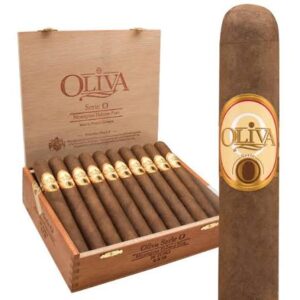
Why buy cigars by the box
The best storage setup depends on the cigar type
Not every flavored cigar product needs the same treatment. That’s especially true if you buy across categories instead of sticking to one format.
Flavored premium cigars
Hand-rolled flavored cigars and larger infused cigars usually benefit from humidor-style storage. They still need stable humidity so the wrapper stays intact and the draw stays consistent. In most cases, 65 to 69 percent relative humidity works well. That range preserves condition without pushing too much moisture into the cigar.
Go much higher and you risk swelling, uneven burn, and muted flavor. Go too low and the cigar dries out, burns hot, and loses aroma fast. Flavored cigars can seem forgiving at first, but once the added notes evaporate, they rarely come back.
Flavored cigarillos and small cigars
Factory-sealed pouches and foil packs are designed for convenience and short-term freshness. If you plan to smoke them within days or a couple of weeks, keeping them sealed in a cool, dark place is usually enough. A drawer, cabinet, or dedicated storage box works fine as long as heat and sunlight are not involved.
If you’ve opened the pack, it changes things. Once exposed to air, small cigars and cigarillos dry quickly. At that point, a resealable humidor bag or airtight container with a humidity pack is the practical option.
Blunt wraps and similar flavored products
These are usually more fragile than standard cigars and can dry out very quickly after opening. Original packaging matters here. If the wrap came in a foil pouch, reseal it tightly after use or move it into an airtight container right away. Over-humidifying can also make wraps sticky or hard to handle, so don’t treat them like premium long-fillers.
Temperature matters as much as humidity
A lot of storage problems get blamed on humidity when the real issue is heat. Flavored cigars should be stored in a cool, stable environment, ideally around 65 to 70 degrees Fahrenheit. Short swings above that may not destroy them, but ongoing heat will push flavor out faster and can create construction problems.
High heat can also encourage tobacco beetle activity in cigars that are vulnerable to it. That’s not specific to flavored cigars, but it is one more reason not to store them in a car, garage, attic, or near a window. A closet shelf in a climate-controlled room is better than a fancy setup sitting in the wrong place.
If your room temperature runs warm, focus on consistency. A stable 70 is better than big daily swings from 62 to 78.
Should you use a humidor for flavored cigars?
Yes, but only if the humidor is dedicated to flavored products or you don’t mind aroma transfer. Traditional cedar humidors work, but cedar can absorb and hold sweet scents. Acrylic humidors, airtight containers, and sealed humidor jars are often easier if you want cleaner separation between product types.
This is where buying habits matter. If you rotate through grape cigarillos, vanilla sticks, rum-infused cigars, and a few natural premiums, one humidor is usually not enough. Separate storage saves product quality. It also saves money because you’re not ruining other cigars in the process.
For buyers keeping inventory at home, the cleanest setup is basic: one container for flavored cigars, one for non-flavored cigars, and factory packaging left intact whenever possible until opening.
Common mistakes when storing flavored cigars
The biggest mistake is mixing everything together. The second is overcomplicating storage for products that are meant for faster turnover. If you’re buying flavored cigarillos by the pouch and smoking them within a week or two, you do not need a full desktop humidor. You need sealed packaging, room-temperature storage, and protection from drying air.
Another common mistake is using too much humidity. People assume more moisture means more freshness. It doesn’t. With flavored cigars, too much humidity can flatten the burn, soften the wrapper, and muddy the flavor profile. A balanced environment beats an overly wet one every time.
Refrigeration is another bad move. Cold storage can create condensation when the cigars come back to room temperature, and moisture swings are not good for wrapper integrity or flavor retention. Freezing is even worse unless you’re trying to address a pest issue under controlled conditions, which is not standard day-to-day storage.
And then there’s exposure to household odors. Flavored cigars absorb surrounding smells easily. Keep them away from spices, cleaning supplies, coffee, candles, and anything strongly scented. Tobacco picks up the room around it.
Short-term vs. long-term storage
If you’re storing flavored cigars for less than 30 days, sealed original packaging is often the best option. Manufacturers package many flavored products to hold freshness during retail movement and normal use. As long as the seal is intact and the environment is stable, that’s usually enough.
For storage beyond 30 days, you need more control. That’s where humidity packs, airtight containers, or a dedicated humidor start making sense. Long-term storage is not just about keeping the cigar soft. It’s about keeping the flavor recognizable from first draw to last third.
Some flavored cigars hold up well for months. Others peak early and lose character if they sit too long, even under decent storage conditions. It depends on the blend, the casing, the wrapper, and the packaging format. Smaller mass-market flavored products are generally better for shorter rotation. Premium infused cigars can justify more careful aging, but even then, separate storage still matters.
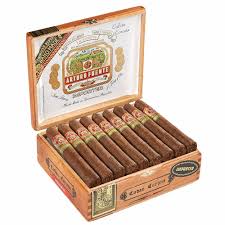
How to Store Flavored Cigars
A simple storage routine that works
If you want a no-nonsense answer to how to store flavored cigars, keep it practical. Leave unopened products sealed. Once opened, move them into a dedicated airtight container or separate humidor with a moderate humidity pack. Store the container in a cool, dark room with stable temperature. And don’t mix flavored cigars with your natural cigars unless you’re willing to share those aromas across the whole batch.
That’s enough for most adult buyers. You do not need a complicated system unless you’re holding larger volume, buying by the box, or maintaining multiple cigar categories at once. For shoppers stocking different brands and flavor profiles, separate storage is the one step that prevents the most waste.
At Backwoodstore, product variety matters, but storage is what keeps that variety smoking the way it should. If the cigar smells right when you open it, feels properly conditioned in hand, and burns evenly without tasting flat, your setup is doing its job.
A good flavored cigar is bought for a specific profile, so store it in a way that lets that profile stay intact until you’re ready to light it.
