

If you already know the brands you like, the real question in cuban vs non cuban cigars usually comes down to taste, consistency, and what you can actually get without overpaying. Some smokers chase Cuban labels for heritage. Others stick with non-Cuban lines because the draw, construction, and overall value are easier to trust box after box.
Cuban vs non Cuban cigars at a glance
The shortest answer is simple. Cuban cigars are made in Cuba with Cuban tobacco. Non-Cuban cigars are made everywhere else, including Nicaragua, the Dominican Republic, Honduras, Mexico, and the US, often using tobacco from one country or a blend from several.
That sounds basic, but it changes a lot. Soil, climate, fermentation methods, factory standards, and blending traditions all shape how a cigar smokes. It also affects availability, price, and how easy it is to find a profile that matches what you actually enjoy instead of what carries the most hype.
For most experienced buyers, the better pick is not about prestige. It is about whether you want grassy and earthy Cuban character or the broader range, stronger body options, and steadier production that define much of the non-Cuban market.
Flavor is where the difference starts
Cuban cigars are often associated with earthy, vegetal, leathery, cedar-forward flavor. Many smokers also pick up hay, roasted coffee, light pepper, and a mineral quality that is hard to mistake once you know it. Even fuller Cuban cigars often keep a certain dryness and aroma-driven complexity instead of pushing raw strength.
Non-Cuban cigars cover a wider lane. A Nicaraguan-heavy blend can bring more black pepper, cocoa, espresso, and heavier body. Dominican cigars often lean smoother, creamier, and more refined. Honduran cigars can add wood, spice, and a sharper edge. Mexican San Andres wrappers can push sweetness, dark earth, and chocolate notes. That variety is a major reason many smokers keep reaching for non-Cuban boxes.
This is where preference matters more than reputation. If you want medium-bodied complexity with a distinct old-world profile, Cuban cigars may be the target. If you want more options across mild, medium, and full-bodied cigars, non-Cuban lines give you more room to dial in strength and flavor.
Construction and consistency are a real buying factor
A cigar can have great tobacco and still disappoint if the draw is tight, the burn runs hot, or the wrapper starts splitting halfway through. In practical terms, this is one of the biggest differences buyers talk about.
Cuban cigars have history, prestige, and a flavor profile that many smokers still consider unique. But consistency can be less predictable. Some boxes are excellent. Some need rest. Some produce a few perfect sticks and a few that are clearly off. That is not true of every Cuban cigar, but it is common enough that experienced buyers factor it into the price.
Non-Cuban premium brands have spent years building their reputation on steadier rolling standards and better quality control. Names like Arturo Fuente, Padron, Oliva, and Gurkha remain popular because smokers know roughly what they are getting. The profile may vary by line, but the baseline construction is usually more dependable.
For buyers ordering online, that matters. If you are purchasing multiple sticks or full boxes, consistency is not a minor detail. It is part of the value.
Strength is not the same as complexity
A lot of buyers assume Cuban means stronger. That is not always the case.
Many Cuban cigars sit in the mild-to-medium or medium range, with the complexity coming from aroma, transitions, and layered earth-and-wood notes rather than brute nicotine impact. There are stronger Cuban cigars, of course, but strength is not their main selling point.
Non-Cuban cigars often offer a wider spread. You can find mellow Connecticut-wrapped Dominican smokes, rich medium-bodied classics, and heavy Nicaraguan blends that deliver far more pepper and body than many traditional Cuban cigars. If you want fuller strength, the non-Cuban market gives you more reliable options.
That makes the buying decision easier. A smoker looking for balance and nuance may go Cuban. A smoker looking for bold flavor, heavy smoke output, and stronger body may lean non-Cuban.
Aging and freshness can change the result
One point that gets missed in the cuban vs non cuban cigars debate is how much storage and age affect the smoking experience.
Cuban cigars often improve with rest. A young Cuban can taste sharp, tight, or uneven. Given time in proper humidity, it may settle down and show better integration. That is part of the appeal for some collectors, but it also adds another variable. You may not be smoking the cigar at its best right out of the box.
Non-Cuban cigars are often designed to smoke well sooner, especially from major premium brands with tighter post-roll aging and release standards. That does not mean they do not age well. Many do. It means they are usually more ready for immediate use, which suits buyers who want predictable performance without a waiting period.
If you prefer buying to smoke now rather than buying to store and monitor, non-Cuban cigars often make more sense.
Price, availability, and whether the premium is worth it
This is where buying habits matter more than brand mythology.
Cuban cigars usually command a higher price because of reputation, supply limits, and global demand. For some smokers, the premium makes sense because the flavor is distinct and the label carries value. For others, the extra cost does not translate into a better smoking experience on a stick-by-stick basis.
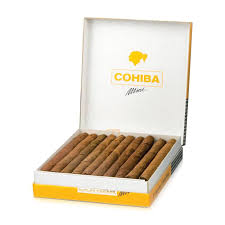
Cuban vs Non Cuban Cigars
Non-Cuban cigars usually win on value. There is more competition across producing countries, more factory capacity, and more options at every price point. That means a buyer can move from everyday smokes to premium box-worthy cigars without being locked into one origin.
Availability also favors non-Cuban products. It is simply easier to source a wider range of established non-Cuban brands and vitolas on a regular basis. For repeat buyers, that matters more than one memorable cigar that is hard to replace.
A retailer with broad inventory, including premium handmade cigars and imported smoking products, is usually better positioned to serve that kind of buyer. That is one reason stores like Backwoodstore appeal to customers who want selection instead of a narrow one-brand catalog.
Cuban vs non Cuban cigars by smoker type
If you are buying for heritage, regional character, and a traditional flavor profile, Cuban cigars still hold their place. They can be excellent when the box is right, the age is right, and your palate matches that style.
If you are buying for consistency, stronger range, wider brand access, and better flexibility on price, non-Cuban cigars often come out ahead. That is especially true for buyers who already know they like brands from Nicaragua or the Dominican Republic and want to stay with proven production standards.
There is also the middle ground. A lot of experienced smokers do not treat this as an either-or decision. They keep Cuban cigars for certain moods and non-Cuban cigars for everyday reliability. That approach makes sense because the categories overlap on quality, but they rarely deliver the same exact experience.
Common mistakes buyers make
The first mistake is buying a Cuban cigar just for the label. If the profile does not match your taste, the prestige will not save the smoke.
The second is assuming non-Cuban means inferior. That idea is outdated. Many non-Cuban manufacturers now set the benchmark for construction, blending, and consistency.
The third is ignoring country and blend details. Non-Cuban is not one flavor family. A Padron profile is not the same as an Arturo Fuente profile, and neither smokes like every Honduran or Dominican cigar on the shelf.
The fourth is overlooking storage. A dry premium cigar, Cuban or not, is money wasted.
What most buyers should actually choose
If you are shopping by results instead of reputation, start with the profile you enjoy most and the level of consistency you expect for the price. Buyers who want earthy, aromatic, classic character may still prefer Cuban cigars. Buyers who want more body choices, steadier construction, and broader inventory will usually be happier with non-Cuban cigars.
There is no automatic winner in
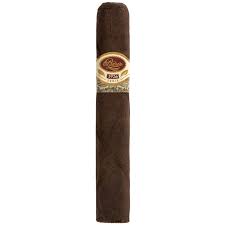
Premium Cigars Online
. The smarter buy depends on whether you value origin story or repeatable performance more. If your goal is to stock cigars you will actually want to smoke again, not just talk about, let your palate make the call and let the label come second.
