
Buy Carton of Camel Cigarettes in Toronto
A buy carton of Camel cigarettes refers to bulk packaging that typically contains multiple individual packs of Camel brand cigarettes. Camel is one of the longest-established cigarette brands in the world, originally introduced in 1913 and currently manufactured in the United States by R. J. Reynolds Tobacco Company. Over the decades, the brand has become known for its distinctive packaging, recognizable logo, and varied product lines.
This overview explains what a carton includes, how it is packaged, the different varieties commonly associated with the Camel name, and regulatory considerations in Canada.
What Is a Carton?
A standard carton of cigarettes usually contains 10 individual packs, and each pack typically includes 20 cigarettes, for a total of 200 cigarettes per carton. However, packaging formats may vary slightly depending on country-specific regulations.
Cartons are designed for:
- Bulk storage
- Retail display
- Distribution efficiency
- Reduced handling compared to single packs
The outer carton is generally made of lightweight cardboard and sealed for transport and retail shelving.
Camel Brand Background
Camel cigarettes were originally blended using a mix of Turkish and domestic tobaccos, which contributed to their early marketing identity. Over time, the brand expanded into multiple styles designed to appeal to different adult consumer preferences. Branding historically emphasized smoothness and distinctive flavor characteristics, although modern regulations in many countries restrict descriptive terminology.
In Canada, tobacco packaging is subject to strict federal regulations, including plain packaging requirements and health warnings covering a large portion of the surface area.
Common Camel Varieties
While availability differs by region due to regulations, Camel cigarettes have historically included several recognizable varieties:
1. Camel cigarettes Blue
Often positioned as a smoother alternative within the lineup. It is typically associated with a lighter tobacco blend compared to full-flavor variants.
2. Camel cigarettes Filters (Original / Full Flavor)
This variety is closer to the brand’s traditional blend profile, offering a stronger tobacco taste.
3. Camel Crush
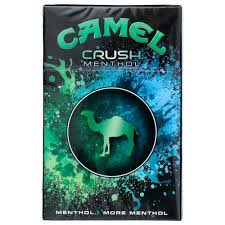
Known for its capsule technology in the filter that allows smokers to change flavor intensity by crushing a bead. Availability varies by country.
4. Camel cigarettes Menthol (where permitted)
Menthol varieties have been restricted or banned in several regions, including Canada, under federal tobacco control laws.
Product availability depends heavily on national and provincial legislation.

Packaging and Design
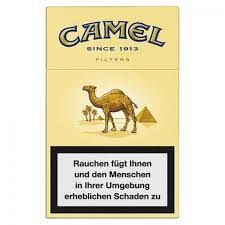
Historically, Camel packaging featured the iconic desert imagery and camel logo. However, in Canada, plain packaging laws require standardized colors and fonts, along with large health warnings. This means that cartons sold within Canada typically display:
- Graphic health warnings
- Standardized brand text
- Tax stamps
- Regulatory compliance markings
The visual branding is therefore significantly different from older or international packaging styles.
Storage and Shelf Life
Cigarettes, including those sold in cartons, are generally stored in cool, dry environments to preserve freshness. Excessive heat or humidity can impact tobacco quality. Cartons help maintain structural protection during shipping and storage but do not make cigarettes immune to environmental exposure over long periods.
Retailers typically manage inventory turnover to maintain product freshness within regulatory standards.
Regulatory Considerations in Canada
In Canada, tobacco sales are governed by federal and provincial laws. Key regulations include:
- Age restrictions (minimum legal age varies by province, often 18 or 19)
- Plain packaging requirements
- Excise taxes and provincial taxation
- Restrictions on advertising and promotion
- Health warning label mandates
Menthol and certain flavored cigarettes are prohibited nationwide under Canadian law. Additionally, online tobacco sales are subject to strict compliance requirements.
Health Information
Smoking cigarettes poses significant health risks, including increased risk of:
- Lung disease
- Cardiovascular disease
- Cancer
- Respiratory illness
Health authorities in Canada and globally consistently advise that there is no safe level of cigarette smoking. Public health warnings are required on all cigarette cartons to communicate these risks clearly.
Environmental Considerations
Cigarette production, packaging, and disposal have environmental impacts. Cartons are typically recyclable cardboard; however, cigarette filters are not biodegradable and contribute to litter concerns. Many municipalities promote responsible disposal practices to reduce environmental harm.
Summary
A carton of Camel cigarettes represents a bulk packaging format containing multiple packs under the Camel brand name. The product is manufactured by R. J. Reynolds Tobacco Company and distributed in various countries under differing regulatory frameworks.
In Canada, cartons are subject to strict packaging laws, age restrictions, and taxation policies. While Camel historically offered multiple varieties, including full-flavor, blue, and menthol options, availability varies depending on current federal regulations.
This informational overview focuses on packaging, brand background, and regulatory context rather than promotional content. If you would like further details about Canadian tobacco regulations, historical branding evolution, or public health information, feel free to let me know.